One of the most significant developments in the global cement industry this year is Heidelberg Materials’ decision to increase its ownership in Akçansa from 39.72% to 79.44% by acquiring Sabancı Holding’s entire stake.
This is much more than a simple share acquisition. It represents a strategic move that reinforces Turkey’s growing importance in Heidelberg Materials’ global production and export network.
Why Is Akçansa So Important?
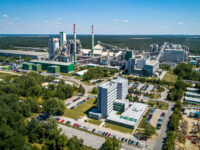
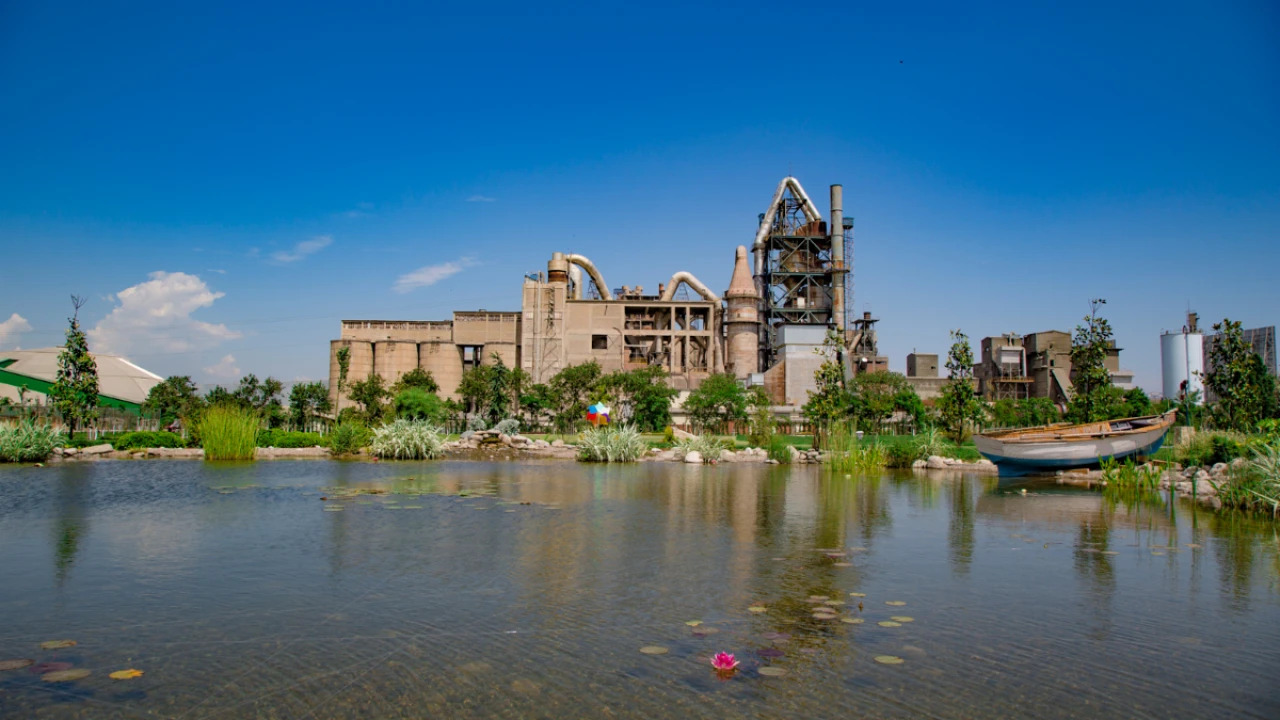
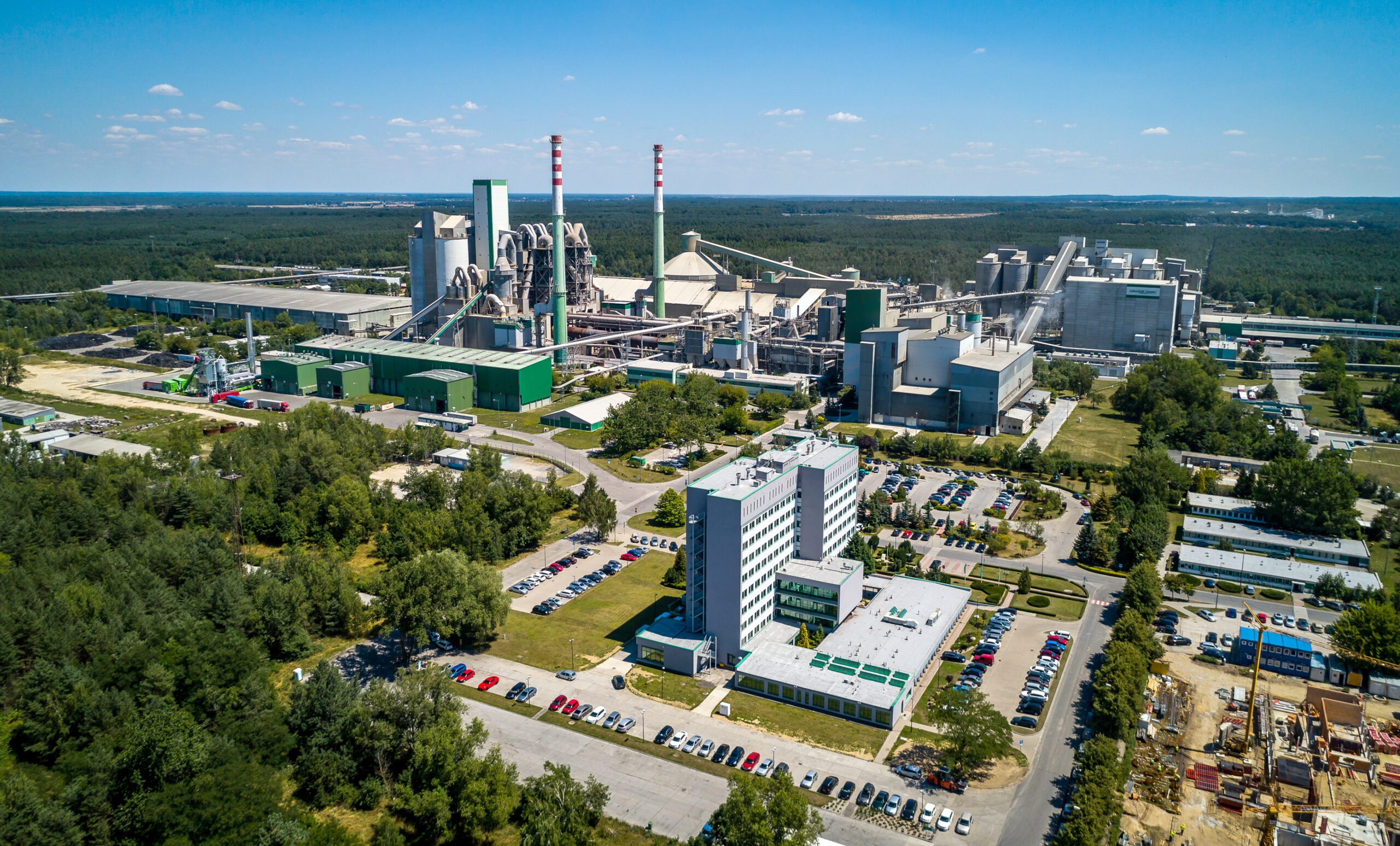
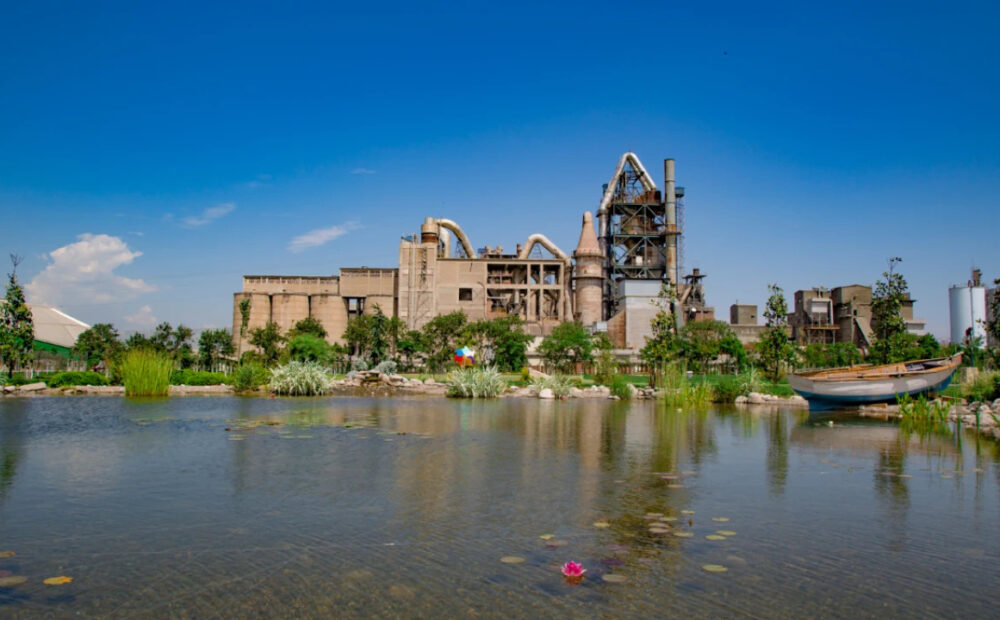
Akçansa is one of Turkey’s leading integrated building materials companies, operating:
- 3 integrated cement plants
- 26 ready-mixed concrete plants
- 5 aggregate quarries
- 5 cement terminals located across five major seaports
Its production assets are concentrated in the Marmara Region, which generates nearly 70% of Turkey’s economic output. This provides excellent access to both domestic construction markets and international export routes.
The Strategic Logic Behind the Acquisition
The transaction aligns perfectly with Heidelberg Materials’ long-term strategy.
1. Faster Decision-Making
Under a 50-50 partnership structure, major strategic decisions typically require mutual agreement between shareholders. Majority ownership enables Heidelberg Materials to streamline decision-making, accelerate investments, and implement corporate strategies more efficiently.
2. Export Platform
Turkey has become one of the world’s most competitive cement manufacturing locations due to its modern production facilities, relatively low production costs, and strategic geographic location.
Akçansa’s coastal terminals allow Heidelberg Materials to optimize exports across:
- Mediterranean markets
- Black Sea region
- Europe
- Eastern Mediterranean
- Potentially the U.S. East Coast
This flexibility strengthens the company’s global supply chain while improving capacity utilization across its network.
3. Long-Term Regional Growth
Heidelberg Materials also highlighted Turkey’s strategic location relative to future infrastructure and reconstruction activities in neighboring regions.
As reconstruction projects eventually accelerate in parts of the Middle East and the Black Sea region, Turkey could become an important production hub serving these markets.
Implications for the Turkish Cement Market
The acquisition may influence the Turkish cement industry in several ways.
Increased Investment Potential
Majority ownership generally provides greater confidence for long-term capital investments in:
- production efficiency
- digitalization
- sustainability initiatives
- alternative fuels
- carbon reduction technologies
Stronger Export Orientation
Turkey has increasingly become an export-driven cement producer over the past decade. Heidelberg Materials is expected to leverage Akçansa’s logistics infrastructure to further strengthen exports while maintaining flexibility between domestic demand and international markets.
Sustainability Acceleration
Heidelberg Materials is one of the industry’s leading companies in carbon capture, low-carbon cement technologies, circular economy, and digital transformation.
Its stronger control over Akçansa may accelerate the implementation of:
- low-carbon cement products
- alternative clinker technologies
- CO₂ reduction initiatives
- digital production systems
- sustainable construction solutions
What Does This Mean for the Industry?
This transaction reflects a broader global trend rather than an isolated investment.
International building materials companies are increasingly seeking:
- greater operational control
- stronger regional production hubs
- export flexibility
- resilient supply chains
- lower-carbon production platforms
Turkey offers all of these advantages through its strategic geography, established industrial base, and modern cement production capacity.
Final Thoughts
Heidelberg Materials’ move to majority ownership of Akçansa represents a long-term strategic investment rather than a short-term financial transaction.
For Turkey, this reinforces the country’s position as one of the most important cement production and export centers in the Mediterranean region.
For the global cement industry, it demonstrates that Turkey remains a highly attractive market—not only because of its domestic demand but also because of its ability to serve surrounding international markets.
As the industry continues its transition toward digitalization, sustainability, and optimized global supply chains, this acquisition may prove to be one of the defining strategic moves in the regional cement sector.